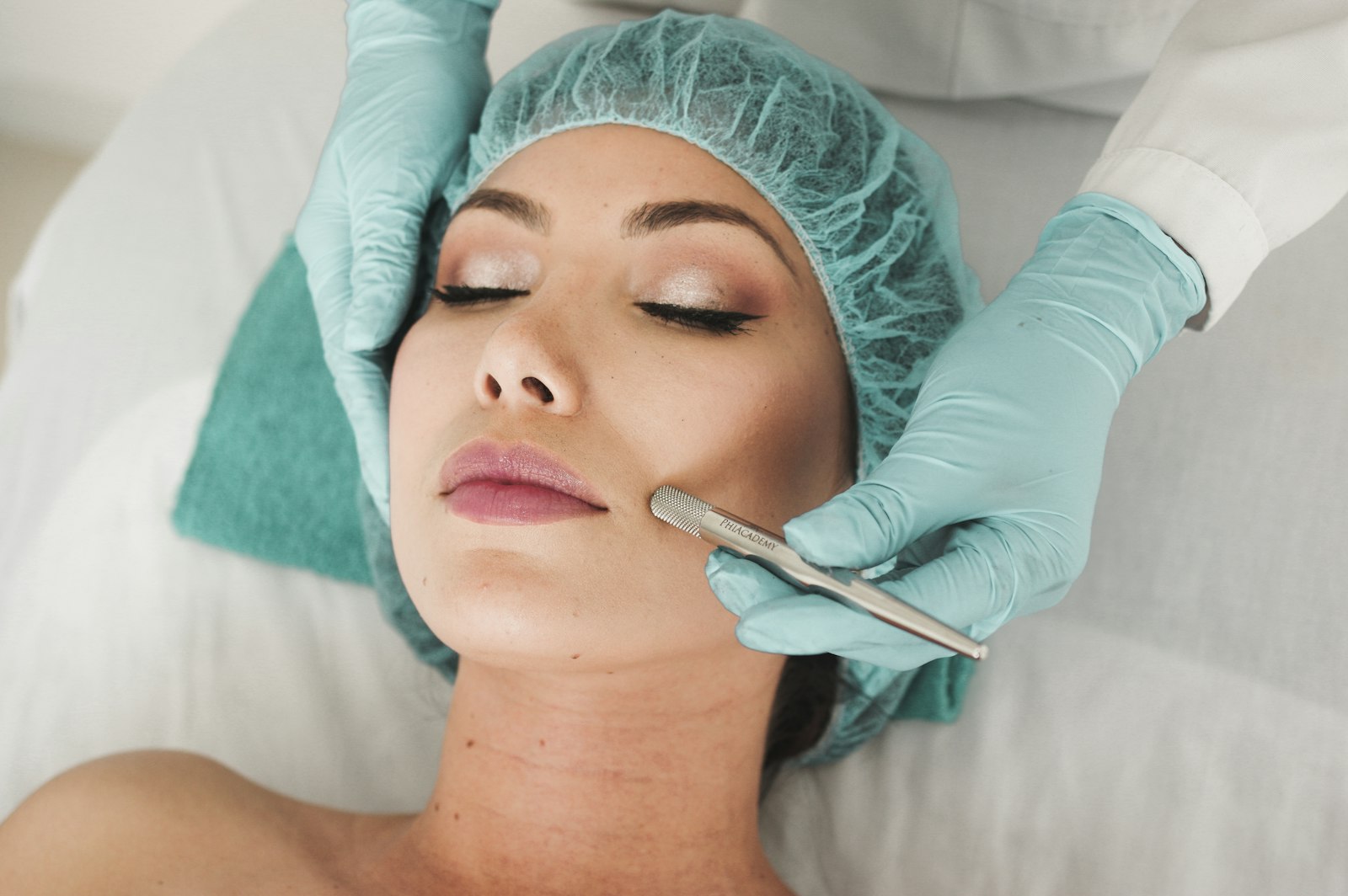
What Is Cellular Turnover?
Cellular turnover — or skin cell renewal — is the continuous process by which new keratinocytes are born at the base of the epidermis (stratum basale) and migrate toward the surface over approximately 28 days, eventually shedding as dead corneocytes in a process called desquamation.
This cycle is one of the most important concepts in skincare: virtually every active ingredient either works with this cycle or attempts to accelerate it.
The Journey of a Keratinocyte
- Days 1–14: Keratinocyte is born in the stratum basale, begins migrating upward through the stratum spinosum and granulosum.
- Days 14–21: Cell undergoes programmed death (cornification), releasing lipid lamellar bodies that form the mortar of the skin barrier.
- Days 21–28: Now a flat, anucleate corneocyte, it sits in the stratum corneum providing barrier function until enzymes dissolve its connections and it sheds.
How Age Slows the Cycle
| Age | Approximate Turnover Rate | Visible Effect |
|---|---|---|
| Teens | 14–21 days | Rapid healing, bright skin, but also rapid acne formation |
| 20s–30s | 28 days | Normal — the "reference" standard |
| 40s–50s | 45–60 days | Dullness, uneven texture, slower healing |
| 60s+ | 60–90 days | Significant textural changes, thinning, delayed repair |
How Actives Interact With Turnover
- Retinoids — directly stimulate fibroblasts and accelerate corneocyte turnover at the stratum basale level
- AHAs (glycolic, lactic acid) — dissolve the bonds between corneocytes at the surface, physically accelerating shedding
- Niacinamide — doesn't accelerate turnover but supports the quality of the barrier during it
- Vitamin C — works on melanocytes during the production phase, interrupting pigment transfer to new keratinocytes
Why results take time: Any active that works at the basal layer (retinoids, niacinamide) requires at least one full turnover cycle — 28 days minimum — before surface results are visible. Results timelines shorter than 4 weeks are marketing, not biology.
For how to synchronise your actives with the turnover cycle, see our Skin Cycling guide. For the biochemistry of desquamation, visit the Glossary: Desquamation.