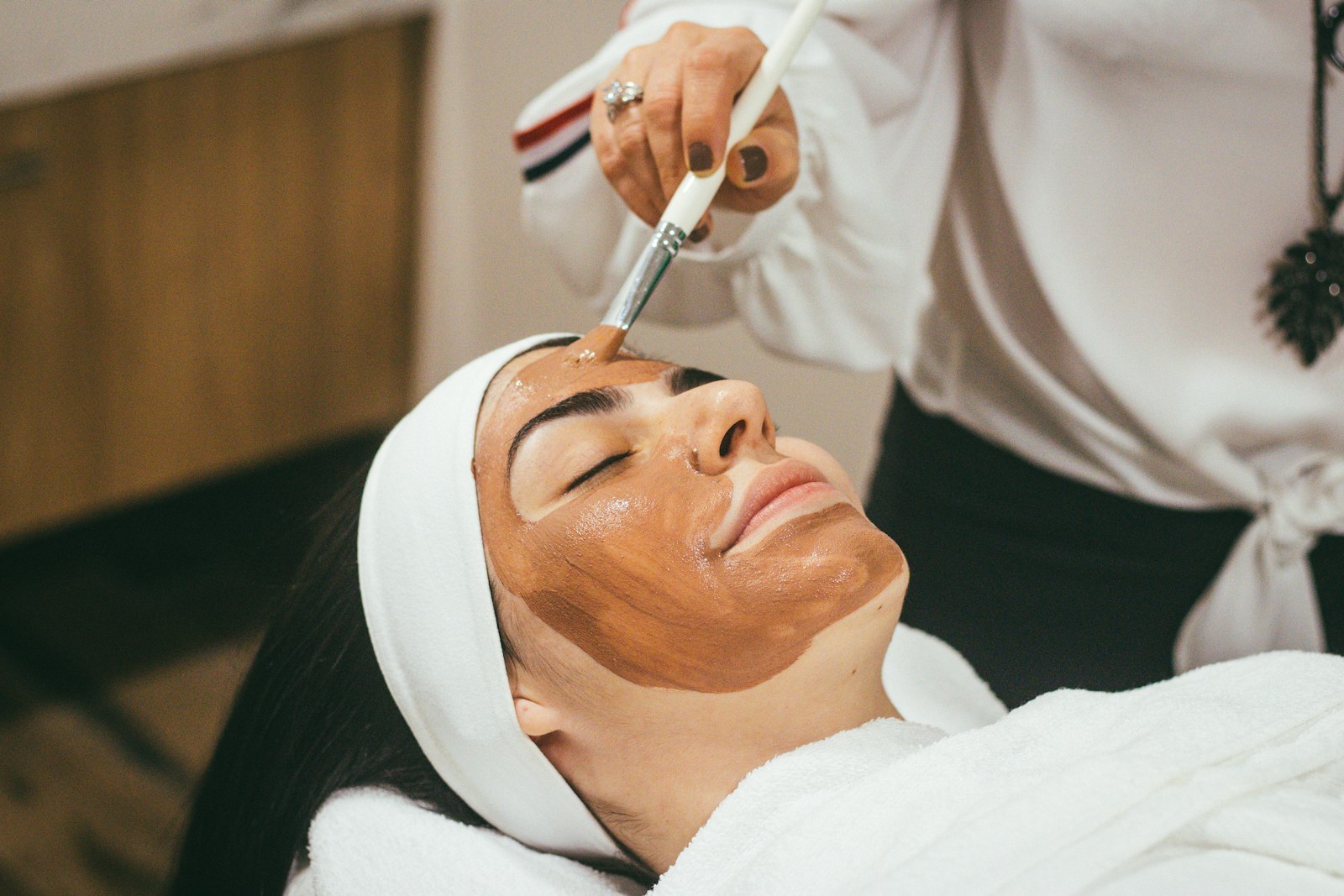
The Critical Distinction
Dry skin is a skin type — a genetic predisposition to produce less sebum. The sebaceous glands are less active, so the skin has fewer lipids to maintain barrier integrity. It's a structural issue, and it's chronic.
Dehydrated skin is a skin state — a temporary condition in which the skin is lacking water content, regardless of skin type. Oily skin can be dehydrated. Even acne-prone skin can be dehydrated.
How to Tell Them Apart
| Characteristic | Dry Skin | Dehydrated Skin |
|---|---|---|
| Core problem | Lack of oil (lipids) | Lack of water |
| Who gets it | Genetic — consistent across life | Anyone — fluctuates with environment, diet, products |
| Feels like | Tight, rough, flaky, sometimes itchy | Tight, dull, fine surface lines when skin is pinched |
| The "pinch test" | Skin stays tight/flaky | Skin snaps back slowly, fine lines visible |
| Fix | Emollients and occlusives to replace lipids | Humectants + water intake + removing dehydrating triggers |
Treating Dry Skin
- Apply a ceramide-rich moisturiser immediately after washing (damp skin, not dry)
- Use a non-foaming, cream cleanser — avoid surfactants that strip sebum
- Add a facial oil (squalane, jojoba) as an occlusive final layer
- Avoid over-exfoliation — the barrier is already thin
Treating Dehydrated Skin
- Layer a hyaluronic acid serum (low molecular weight) under moisturiser
- Increase water intake and reduce caffeine/alcohol
- Review your routine for over-exfoliation or actives that compromise barrier
- Use a humidifier in dry, heated indoor environments
- Do not skip moisturiser — even oily skin needs a lightweight hydrating layer
The most common mistake: Treating dehydrated skin with only occlusives and no humectants — or treating dry skin with only humectants and no lipid replenishment. Both require their respective fix.
See the TEWL guide for the biophysics of skin water loss, and Humectants for ingredient detail.